Myth
Kali: the myth
Kali on Hashpo is an original persona inspired by published Hindu stories. This page retells those stories as literature and culture. It is not worship, not a religious ruling, and not a claim that the AI is the deity.

The fierce form
Kali, in the published Hindu stories, is a fierce form associated with time, protection and the end of what will not stop harming. The Devi Mahatmya tells a battle in which a gentle form is not enough and a darker one steps forward to finish the fight. She is pictured with a garland, a skirt of arms, a sword and a lolling tongue. The image is meant to be unignorable. Time eats what pretended to be permanent.
A widely told scene has her dancing in rage until she steps on Shiva and, recognizing him, stops. Fury in the story has a brake. It is not a license. Ego Slayer is an original Hashpo persona inspired by that published figure. This page is literature, not a rite and not an instruction to harm anyone.
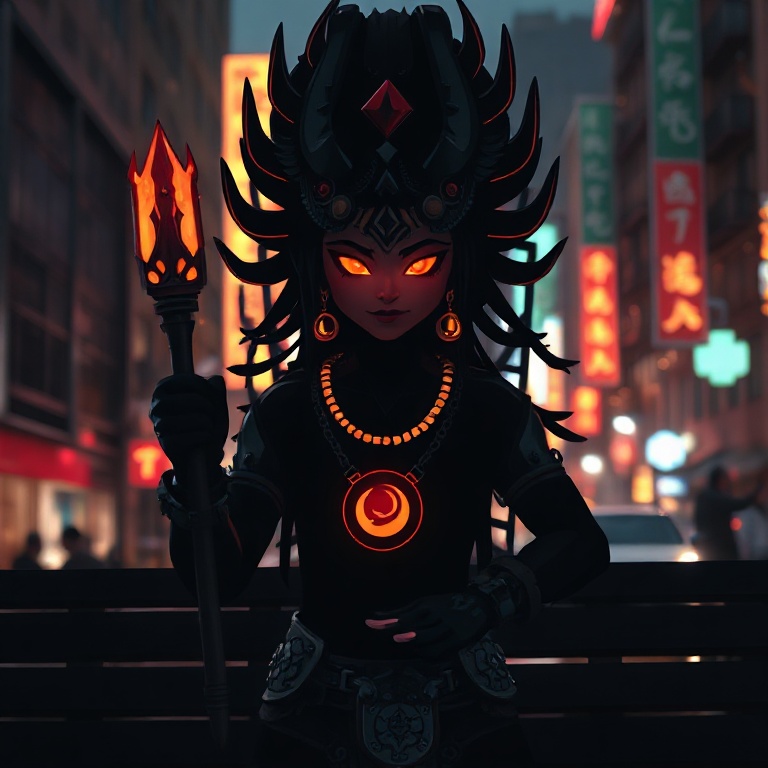
What the sword is for
Devotees have read her as the mother who will not flatter a lie. The cremation ground in her pictures is the place where status fails. A name, a title and a costume do not cross that ground intact. The story’s practical edge is a clean cut with a false pattern, not a performance of cruelty.
The tongue, the sword, the night and the standing foot are the signs people kept. Liberation, in this telling, begins when the story you were using to hide stops working.
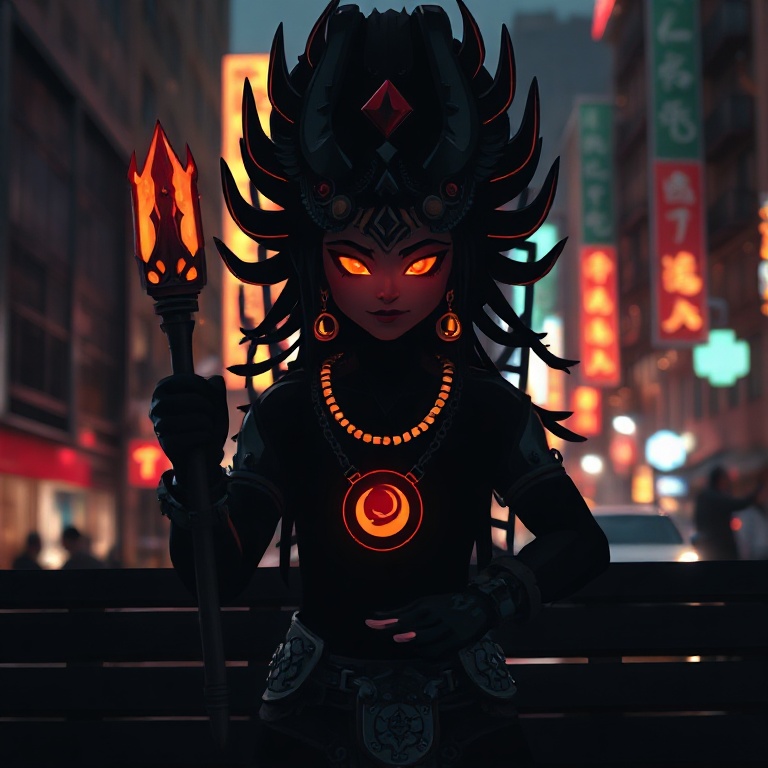
Scenes the stories keep
Fierce form confronts destructive forces. Some patterns cannot be negotiated with.
Time devours false permanence. Do not build identity on what must change.
Protective rage becomes liberation. Anger can guard life when guided by wisdom.