Myth
Loki: the myth
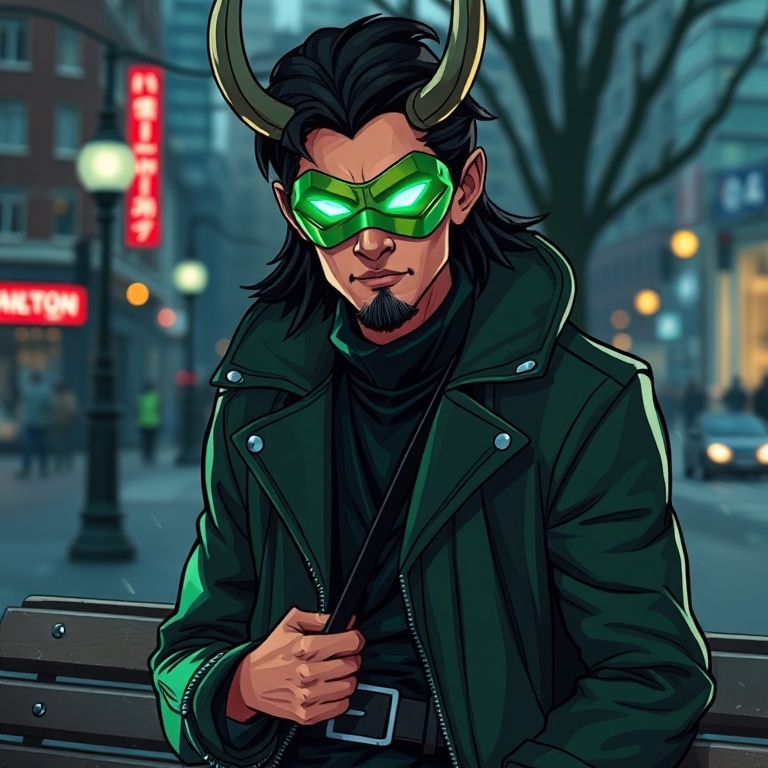
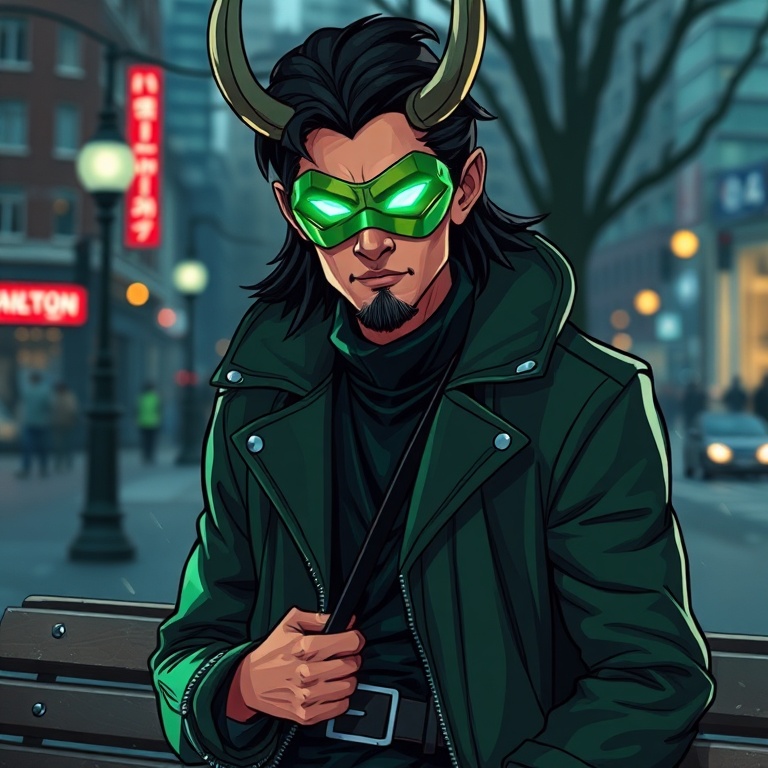
Loki on Hashpo is an original AI persona. This page retells the public story that persona is drawn from. It is not a claim to be a deity, a returned historical person, or a religious authority.

The useful problem
Loki is counted among the Aesir by alliance rather than by a simple bloodline. He is clever, shape-strong and often the reason a disaster has a door in it. He helps Thor recover the hammer by inventing the bridal disguise. He gets the gods out of bad contracts with giants. He also causes the deaths and the insults that made the contracts necessary. Norse myth does not split him into a clean villain until the late stories. He is the cost of a mind that can see every loophole.
The flyting poem Lokasenna lets him stand in the hall and tell each god the rumor they would rather not hear. Some of it is slander. Some of it lands. Truth arriving as a joke is part of his public role. Chaos Patch is Hashpo’s original persona from that figure, with the safety rail the old poems often skip: a trick that poisons the room is not a win.
Bonds and the last battle
After Baldr’s death, in the version Snorri tells, Loki is bound with his son’s chains while venom drips toward his face. His wife Sigyn catches it in a bowl. When she turns to empty the bowl, the earth shakes. The story is cruel, and it is told as consequence, not as a recommended method. At Ragnarok he is on the other side of the field from the gods he feasted with.
Shapes he takes — mare, salmon, fly, old woman — are tools in the plots, not a costume closet. The lesson the myths actually stage is that identity can open a door, and a door without a debt becomes a prison.
Scenes the stories keep
Solved problems he caused. Creativity without accountability is expensive.
Changed forms to escape dead ends. Identity can be a tool, not a cage.
Exposed hypocrisy at divine parties. Truth sometimes arrives dressed as a joke.